
Jim Corbett National Park Travel and Tourist Places
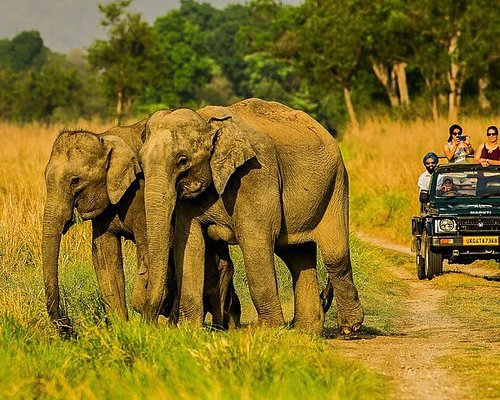
Jim Corbett National Park is India’s oldest national park and one of its most famous wildlife destinations, renowned for dense sal forests, grasslands, the Ramganga river, and a healthy population of tigers, elephants, and over 600 bird species. It is ideal for safaris, nature photography, and eco‑tourism stays across different forest zones.
Tourism in Jim Corbett National Park
Tourism here revolves around guided jungle safaris (jeep, canter, and limited elephant rides), birdwatching, nature walks, and riverside relaxation in eco‑resorts around Ramnagar. The park is divided into tourism zones like Dhikala, Bijrani, Jhirna, Durgadevi, Dhela, Garjiya, Sonanadi, Phato, and Sitabani, each offering different habitats and chances of wildlife sightings.
Location
Jim Corbett National Park (Corbett Tiger Reserve) lies in the foothills of the Himalayas in Nainital and Pauri Garhwal districts of Uttarakhand, with Ramnagar town as the main entry point. The reserve covers over 1,300 square kilometres of core and buffer area, ranging roughly from 400 to 1,200 metres in altitude along the Ramganga river valley.
History
Established in 1936 as Hailey National Park, this was Asia’s first national park and later renamed Jim Corbett National Park in honour of hunter‑turned‑conservationist Jim Corbett. It became a key part of Project Tiger in 1973 and is now a flagship tiger reserve, playing a crucial role in big‑cat conservation and scientific wildlife management.
Fairs and Festivals
While the park itself does not host large fairs, nearby Ramnagar and Kumaoni towns celebrate major festivals such as Holi, Diwali, and local Makar Sankranti melas with folk music and food. Tourism peaks around long weekends and winter holidays when resorts organise cultural evenings featuring Kumaoni dance and music for visitors.
How to reach
- By Road: Ramnagar is about 250–270 km from Delhi via Moradabad–Kashipur, with regular buses and private taxis available. From Ramnagar, gates to different zones (like Bijrani, Jhirna, Dhela, Garjiya, Dhikala’s Dhangarhi gate, and Phato) are accessed by short drives.
- By Rail: Ramnagar railway station has trains from Delhi and other north‑Indian cities; Kathgodam and Moradabad are alternative railheads with onward road links.
- By Air: The nearest airport is Pantnagar, around 120 km away, from where taxis connect to Ramnagar in about 3.5–4 hours.
Tourist Attractions
- Jungle Safaris: Jeep safaris in zones like Bijrani, Jhirna, Dhela, Durgadevi, Garjiya and Phato; canter safaris operate in the Dhikala zone, famed for tiger and elephant sightings and large grasslands.
- Dhikala Zone: The park’s most iconic area on the banks of the Ramganga reservoir with watchtowers, rest houses and expansive views of herds and birdlife.
- Bijrani & Jhirna: Known for mixed forest and open meadows, good for spotting deer, elephants, and occasionally tigers.
- Durgadevi & Dhela: Hillier and more forested, excellent for birding and quieter safaris.
- Garjiya Devi Temple & Corbett Museum: Popular cultural stops near Ramnagar; the museum in Kaladhungi is in Jim Corbett’s former home and showcases his life and conservation legacy.
Cuisine of Jim Corbett National Park
Food around the park is a mix of Kumaoni and North Indian cuisine served in resorts, lodges, and dhabas. Visitors can enjoy dishes like mandua ki roti, bhatt ki churkani, aloo ke gutke and seasonal saag alongside common dishes such as rajma‑chawal, paneer curries, tandoori items, and hearty breakfasts tailored for early‑morning safaris.