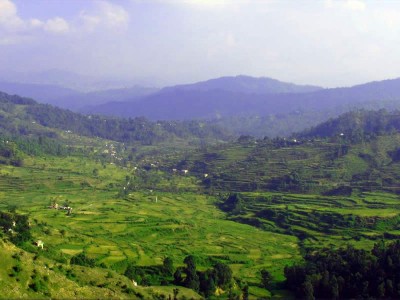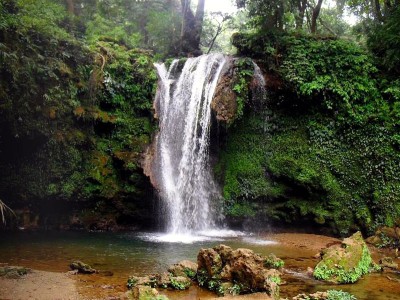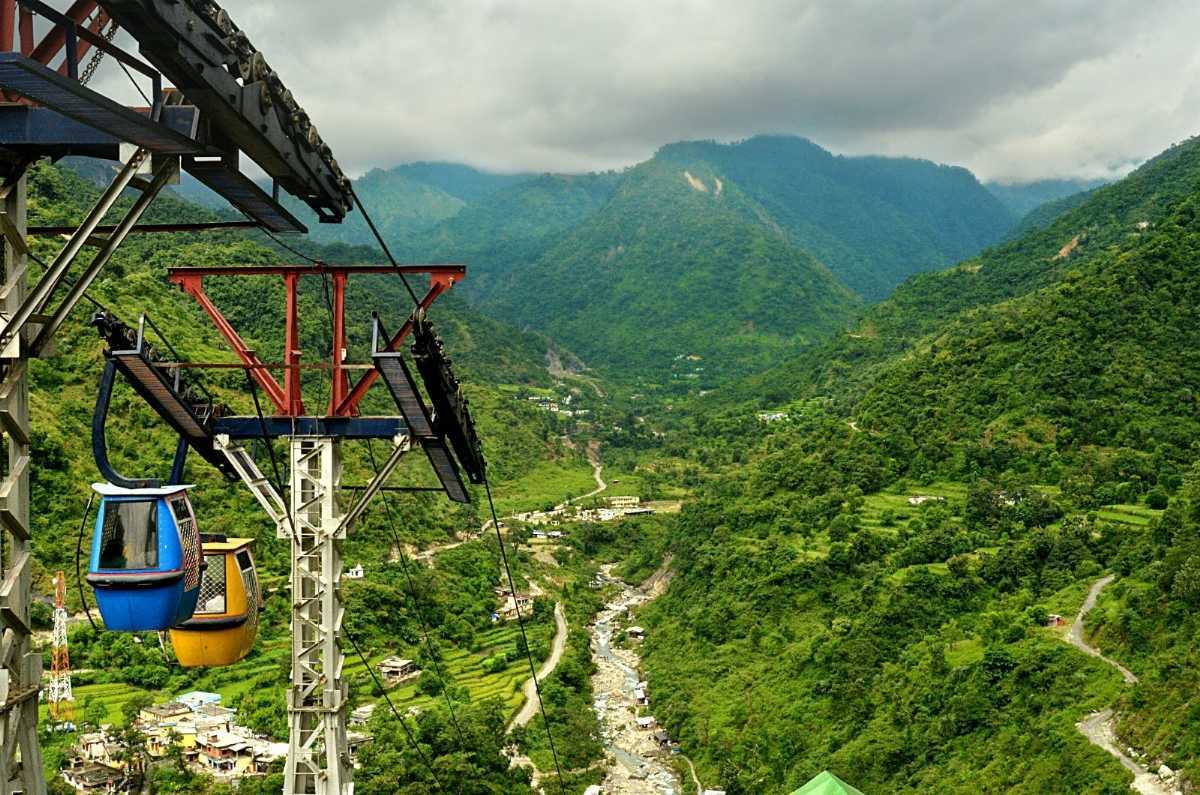
Dehradun is the capital city of Uttarakhand and one of North India’s most relaxed gateway destinations, blending colonial charm, valley views, and easy access to the Himalayas. It works both as a base for Mussoorie, Rishikesh, and Char Dham routes and as a city break with its own caves, waterfalls, and cafés.
Tourism in Dehradun
Tourism in Dehradun combines nature, education, and spirituality: travellers explore caves like Robber’s Cave, springs such as Sahastradhara, and institutions like the Forest Research Institute. The city also offers day trips to Rajaji National Park, Mindrolling Monastery, and nearby hill stations, making it popular with families, students, and backpackers.
Location
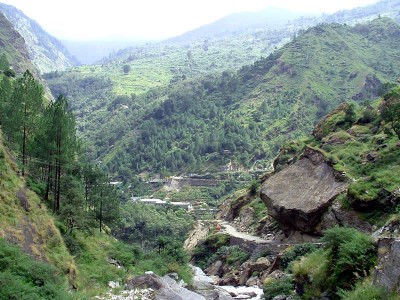
Dehradun lies in the Doon Valley between the Ganga and Yamuna rivers at the foothills of the Garhwal Himalayas, at an elevation of roughly 430–640 metres. It sits about 30 km below Mussoorie and is bordered by the Shivalik hills to the south and higher Himalayan ranges to the north.
History
Dehradun’s history spans ancient references in the Mahabharata, subsequent Gurkha rule, and its development as a British cantonment and educational hub. The name “Dehra‑Doon” comes from a camp or ‘dera’ established by Guru Ram Rai in the 17th century, around which the modern city grew.
Fairs and Festivals
The city celebrates all major North Indian festivals like Holi, Diwali, and Dussehra with local Garhwali flavour, along with fairs at temples such as Tapkeshwar Mahadev. Cultural events, school fairs, and food festivals are common through the year, while nearby spiritual centres in Haridwar and Rishikesh add to the festive calendar.
How to reach
Dehradun is one of Uttarakhand’s best‑connected cities:
- By Air: Jolly Grant Airport, about 25 km away, links Dehradun to major Indian metros.
- By Rail: Dehradun Junction has direct trains from Delhi, Mumbai, Kolkata, and other cities.
- By Road: Highways connect Dehradun to Delhi (about 250 km), Haridwar, Rishikesh, and Chandigarh, with frequent buses and taxis.
Tourist Attractions
Notable places to visit include:
- Robber’s Cave (Guchhupani): A narrow gorge with a stream running through it, popular for short walks and picnics.
- Sahastradhara: Sulphur springs and small waterfalls set amid limestone formations.
- Forest Research Institute (FRI): Iconic colonial‑era campus with museums and expansive lawns.
- Mindrolling Monastery: One of India’s largest Buddhist centres, known for its stupa and murals.
- Tapkeshwar Mahadev Temple, Malsi Deer Park, Zonal Museum, and nearby Mussoorie round out a typical Dehradun itinerary.
Cuisine of Dehradun
Dehradun’s cuisine is a mix of Garhwali dishes and multi‑cuisine urban food culture, with everything from street chaat to trendy cafés. Local flavours include pahadi dishes such as aloo ke gutke, gahat (kulath) dal, bhatt ki churkani, and simple mandua breads, while bakeries and restaurants cater to North Indian, Chinese, and continental tastes.